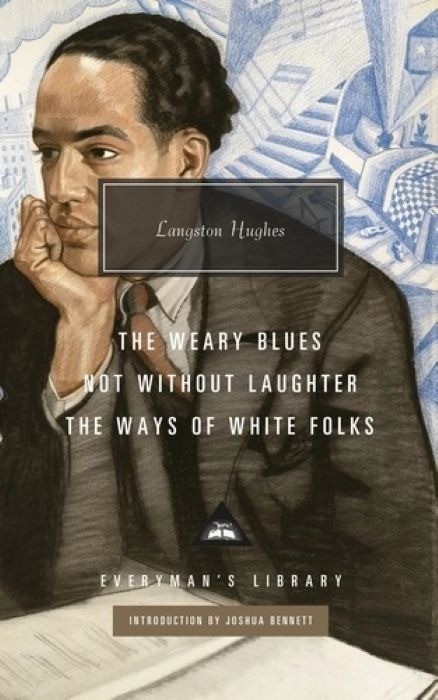
One of the most important writers to emerge from the Harlem Renaissance, Langston Hughes may be best known as a poet, but he was also a brilliant storyteller, blending elements of blues and jazz, speech and song, into a triumphant and wholly original idiom.
Perhaps more than any other writer, Langston Hughes made the white America of the 1920s and 1930s aware of the Black culture thriving in its midst. Hughes's poetry and fiction works are messages from that America, sharply etched vignettes of its daily life, cruelly accurate portrayals of Black and white collisions.
Langston Hughes (1901-1967) was a central figure of the Harlem Renaissance and one of the most influential and acclaimed American writers of the twentieth century. A renowned poet from a young age, Hughes' first collection of poetry, The Weary Blues, was published when he was just 24. He would go on to publish more than thirty-five books, including his award-winning debut novel, Not Without Laughter, and the short story collection, The Ways of White Folks. His widely-read journalism and nonfiction became important documents in the support and promotion of the civil rights movement.