
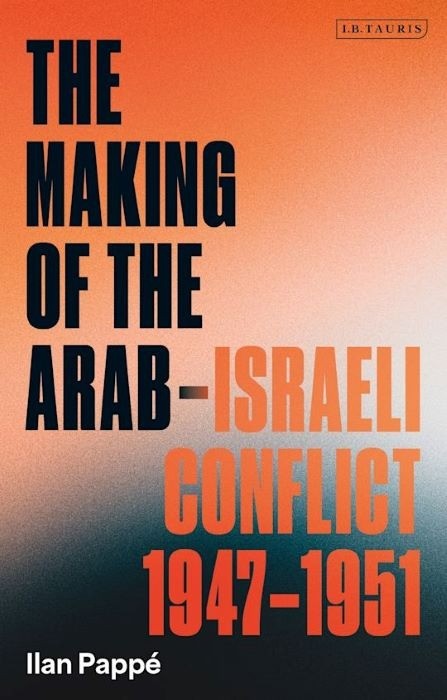
The Making of the Arab-Israeli Conflict 1947-1951 | Ilan Pappé
Description
While among Arabs, and especially Palestinians, the events of that year are known as the nakba - the catastrophe, the trauma, the disaster - for Jews, and in particular for Israelis, their victory in the war of 1948 is a veritable miracle. For them, against tremendous odds and through heroic military effort, the Jewish community succeeded in thwarting attempts by the Arab states to destroy it.
Pappe shows here that in sharp contrast to the recollections and myths of both sides, the military events of 1948 were not decisive. The victory of the Zionist organization and the fate of the Palestinians was determined by politicians on both sides - in the discussions and decisions of the United Nations in 1947-8 and in the Arab League - long before a shot had been fired. He argues that Israel's failure to take advantage of the genuine opportunity for peace with the Arabs at the UN-sponsored Lausanne Conference in 1949 resulted in the prolonged and tragic conflict between Israel and the Arab states still very much alive today.
Ilan Pappé is professor of history at the University of Exeter. A veteran of the Yom Kippur War and two time Knesset candidate, Pappé left Israel in 2007 after his endorsement of an academic boycott of Israel led to calls for him to resign from his post at the University of Haifa. He remains one of Israel’s most prominent and outspoken anti-Zionist academics. His previous books include The Modern Middle East (2005), Gaza in Crisis: Reflections on Israel’s War against the Palestinians (with Noam Chomsky, 2010) and The Forgotten Palestinians: A History of the Palestinians in Israel (2011).
Related Items
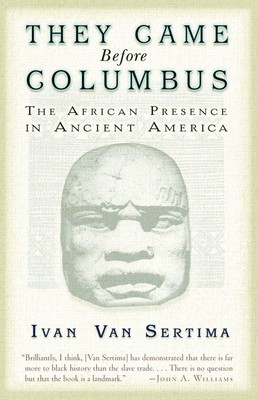
They came before Columbus - The African Presence in Ancient America - Ivan Van Sertima
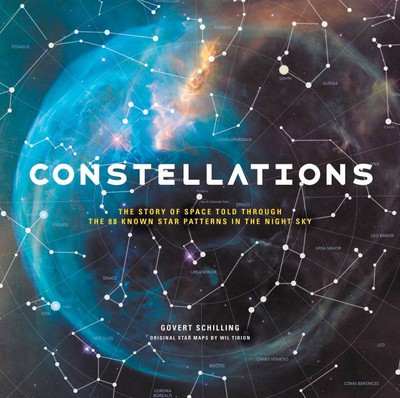
Constellations - The Story of Space Told Through the 88 Known Star Patterns in the Night Sky - Govert Schilling - Wil Tirion (Maps)
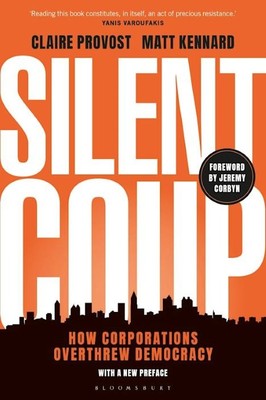
Silent Coup - How Corporations Overthrew Democracy - Claire Provost Matthew Kennard
King Leopold's Ghost | |Adam Hochschild